Classic wall compositions have remained popular in interior design because they bring elegance, symmetry, and architectural character to a space. From decorative wall frames to carefully arranged panels, these details can transform plain surfaces into refined features that complement both traditional and transitional interiors. With polyurethane moldings, homeowners can recreate the charm of classic architectural decoration while enjoying a lightweight and versatile material suitable for many interior projects.
Understanding Classic Wall Compositions
Classic wall design often relies on proportion, symmetry, and repetition. Rectangular frames, balanced panel arrangements, and decorative borders help establish visual order throughout a room. These elements are commonly used in living rooms, dining areas, bedrooms, and formal entrance halls.
The first step is to determine the wall's layout. Measure its height and width, then consider how many panels will fit comfortably within the available space. Equal spacing between frames creates a harmonious appearance, while alignment with windows, doors, and furniture helps the composition feel intentional.
For interiors with high ceilings, larger panels and wider profiles can create a sense of grandeur. Smaller rooms usually benefit from narrower moldings and simpler arrangements that preserve an open, uncluttered atmosphere.
Choosing the Right Molding Profiles
The profile you select influences the overall character of the composition. Traditional interiors often feature curved edges, decorative contours, and more elaborate details. Simpler profiles provide a restrained alternative while maintaining the structured appearance associated with classic wall decoration.
Polyurethane is a practical option because it is lightweight, can reproduce intricate shapes, and is available in a variety of designs. These characteristics make it suitable for creating wall frames, decorative borders, and other architectural accents.
When choosing profiles, consider the surrounding interior elements. Door casings, skirting boards, ceiling details, and furniture should work together rather than compete for attention. Using compatible shapes and proportions helps create a consistent decorative style throughout the home.
Creating Elegant Panel Arrangements
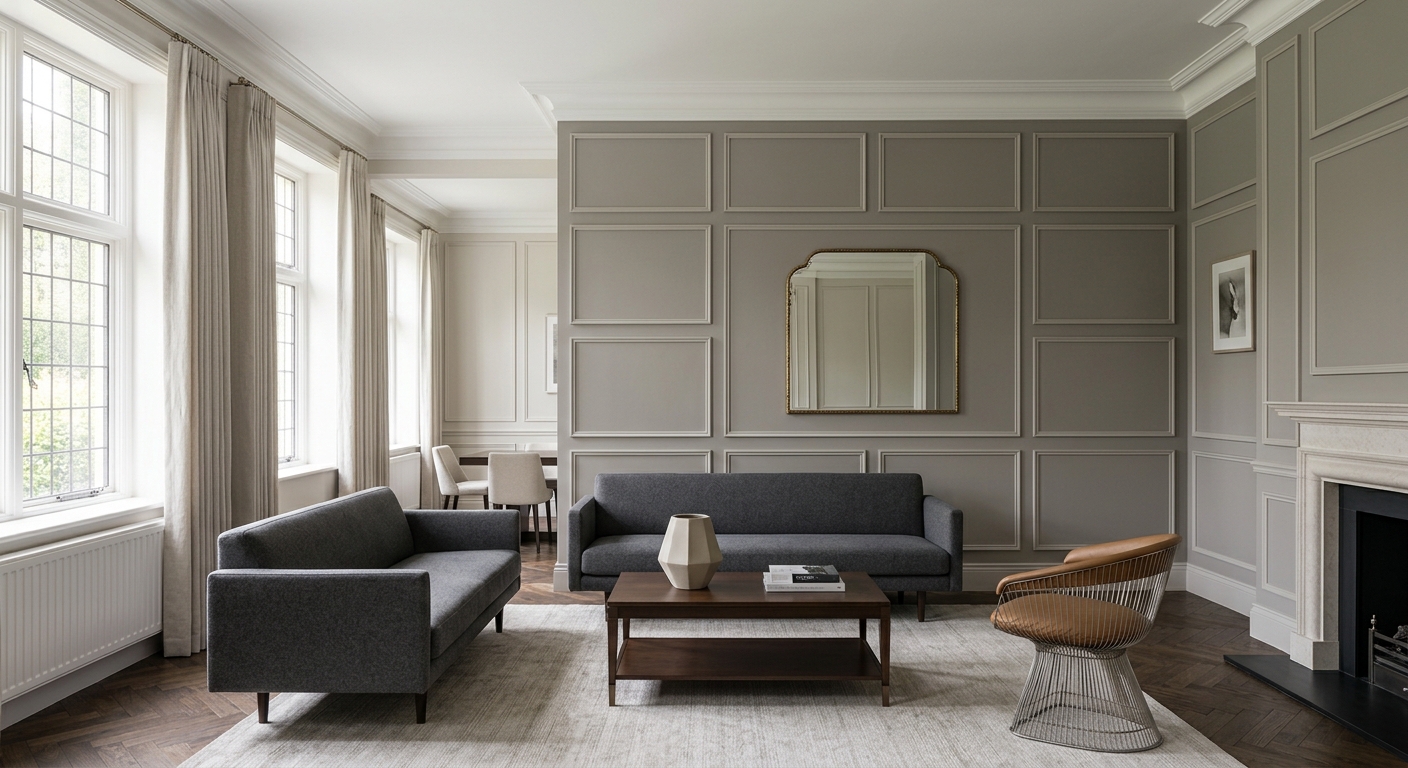
Wall panels are among the most recognizable features of classic interior design. They can cover an entire wall or be arranged selectively to highlight a particular area. For example, symmetrical frames behind a sofa create a balanced living room feature, while panels behind a bed provide an elegant backdrop.
A simple rectangular layout is often the best starting point. Divide the wall into sections, leaving consistent gaps between each frame. For a more elaborate effect, combine larger outer frames with smaller inner borders. This technique introduces additional detail without requiring an overly complicated pattern.
Avoid placing panels too close to furniture, switches, or door frames. Careful positioning ensures that the decorative lines remain visible and that the composition looks balanced from different viewpoints.
Selecting Colors and Finishes
Color plays an important role in classic wall decoration. White and cream molding against similarly colored walls creates a timeless, understated appearance. Painting the molding and wall in the same shade also emphasizes the shapes through subtle shadows rather than strong contrasts.
For a more dramatic interior, consider contrasting trim against muted green, deep blue, warm gray, or beige walls. These combinations can make the panel arrangement more noticeable while preserving a sophisticated atmosphere.
The finish should complement the room's lighting and furnishings. Matte finishes generally create a softer appearance, while other suitable paint finishes can provide additional definition. Always confirm that the selected paint is compatible with the molding material and follow the manufacturer's recommendations.
Installation Tips for Lasting Results
Successful wall compositions depend on accurate measurements and careful installation. Mark the design on the wall before cutting the profiles, and use a level to maintain straight horizontal and vertical lines. Test the positioning of each piece before applying adhesive.
Prepare the surface according to the product instructions and use the recommended installation materials. Once the profiles are securely installed, finish suitable joints and imperfections before painting. Taking time with these details helps produce clean corners and consistent panel outlines.
Frequently Asked Questions
Are polyurethane moldings suitable for classic interiors?
Yes. Their availability in different shapes and decorative profiles makes them suitable for both simple framed panels and more elaborate traditional compositions.
Can classic wall panels work in modern homes?
Absolutely. Using clean profiles, restrained colors, and symmetrical layouts allows homeowners to introduce classic architectural details without making a modern interior feel outdated.
Bringing Timeless Character to Interior Walls
Classic wall compositions offer a lasting way to enhance the appearance of a home. By selecting suitable profiles, planning balanced panel arrangements, and coordinating colors with existing decor, homeowners can create elegant interiors that feel cohesive and carefully finished. Thoughtful design and precise installation ensure that decorative molding remains a distinctive architectural feature for years to come.
#InteriorDesign #AccentWall #MoldingIdeas